


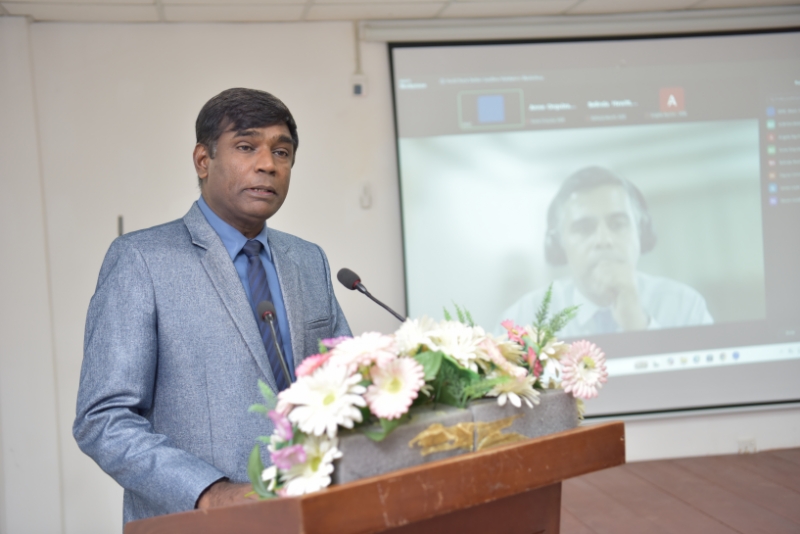
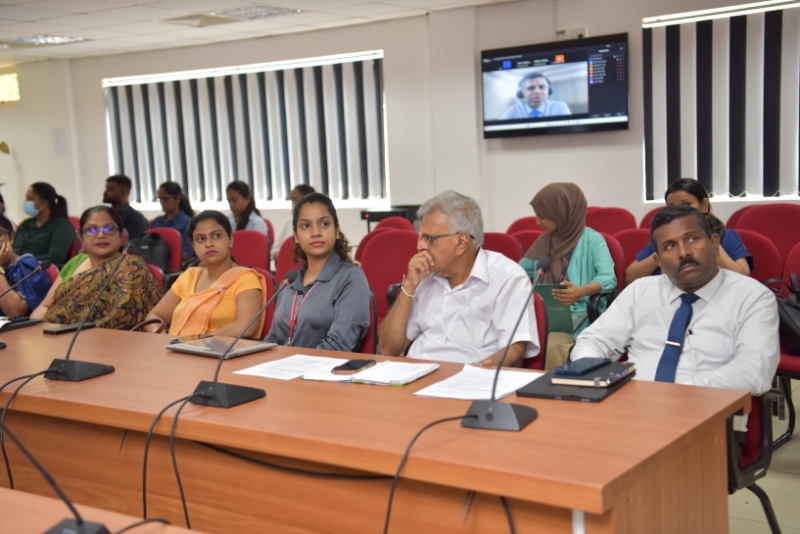
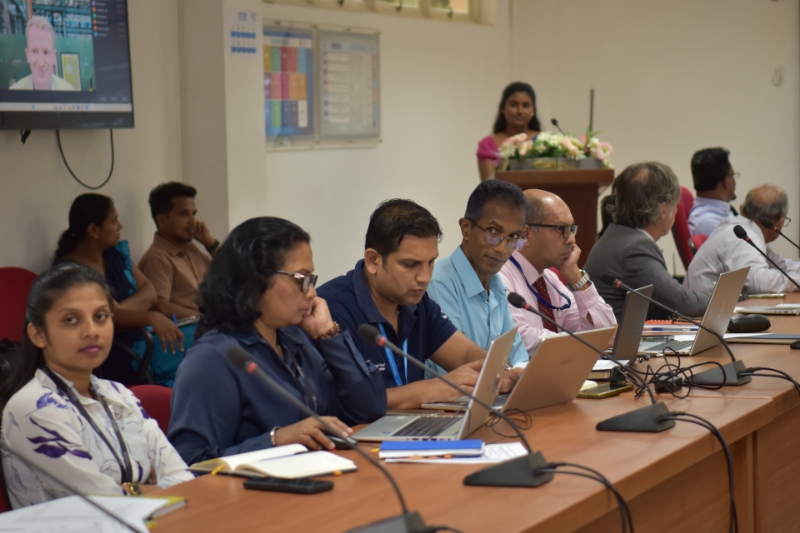
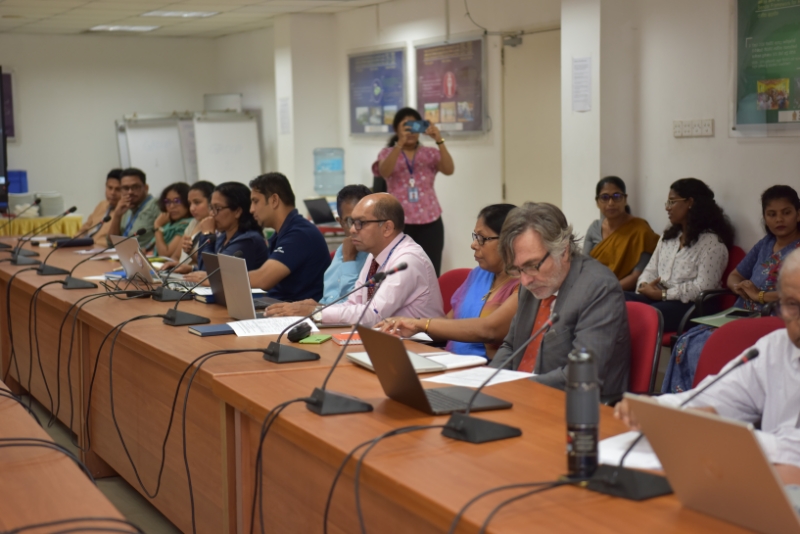
 A workshop to review the draft "Build Back Better (BBB) Guideline" was held on October 02 at the Disaster Management Centre (DMC) auditorium, under the chairmanship of Major General (Retd.) Sampath Kotuwegoda, Director General of the DMC.
The guideline was formulated by the DMC with the support of partner agencies to cater to the needs and practical uses of stakeholder institutions involved in the post-disaster rehabilitation and recovery process. The primary objective of the workshop was to review how well this guideline aligns with the operations of these stakeholder agencies, and to finalize the draft by incorporating their constructive feedback, insights, and suggestions.
The guideline comprehensively covers key BBB dimensions, including risk information, climate resilience, land-use planning, resilient design and construction, nature-based solutions, community participation, social inclusion, environmental sustainability, residual risk management, livelihood resilience, governance and coordination, and cost estimation.
Furthermore, the document explains how these dimensions can be practically applied across the five recovery phases: preparedness, damage and needs assessment, planning, implementation, and monitoring and reporting.
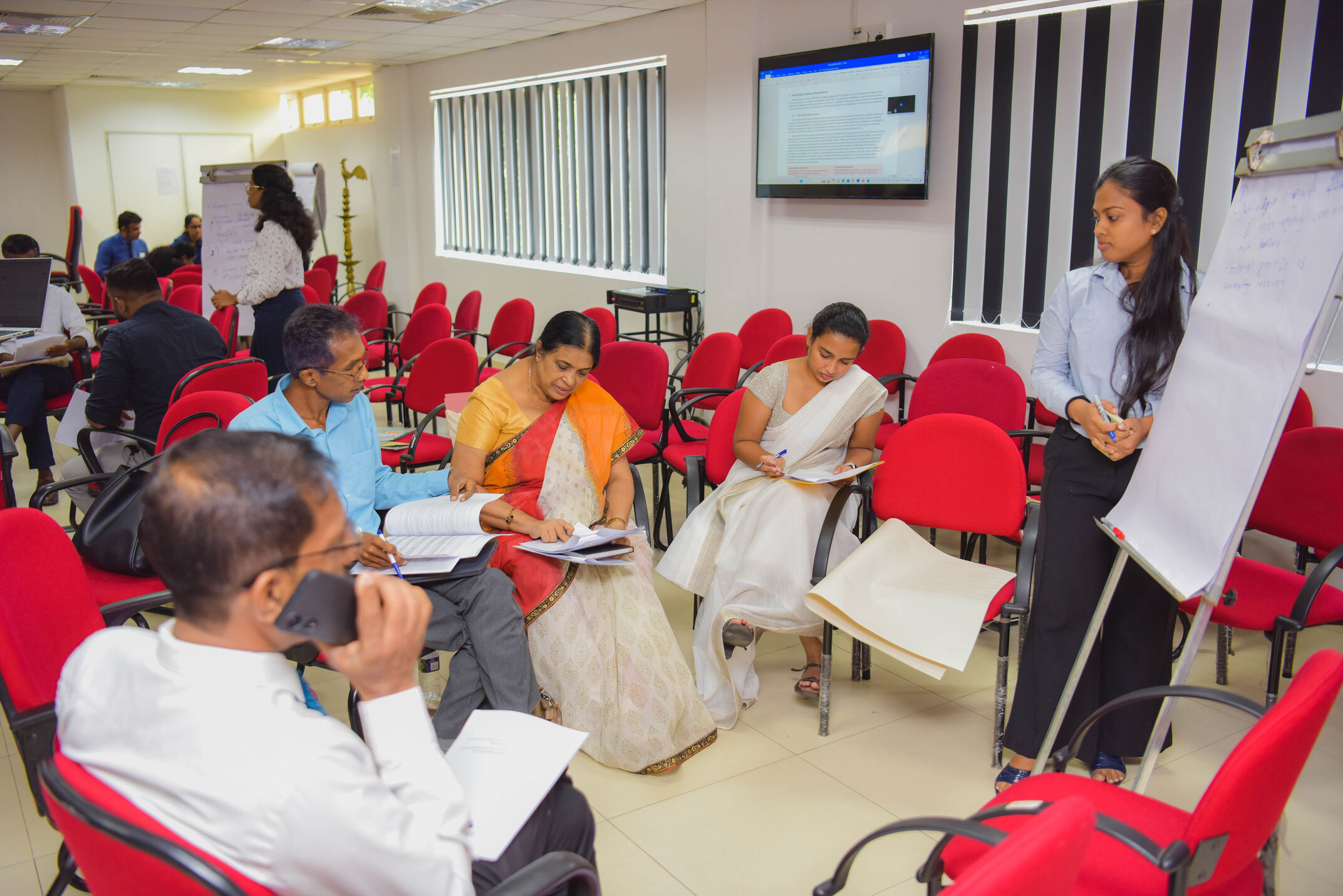
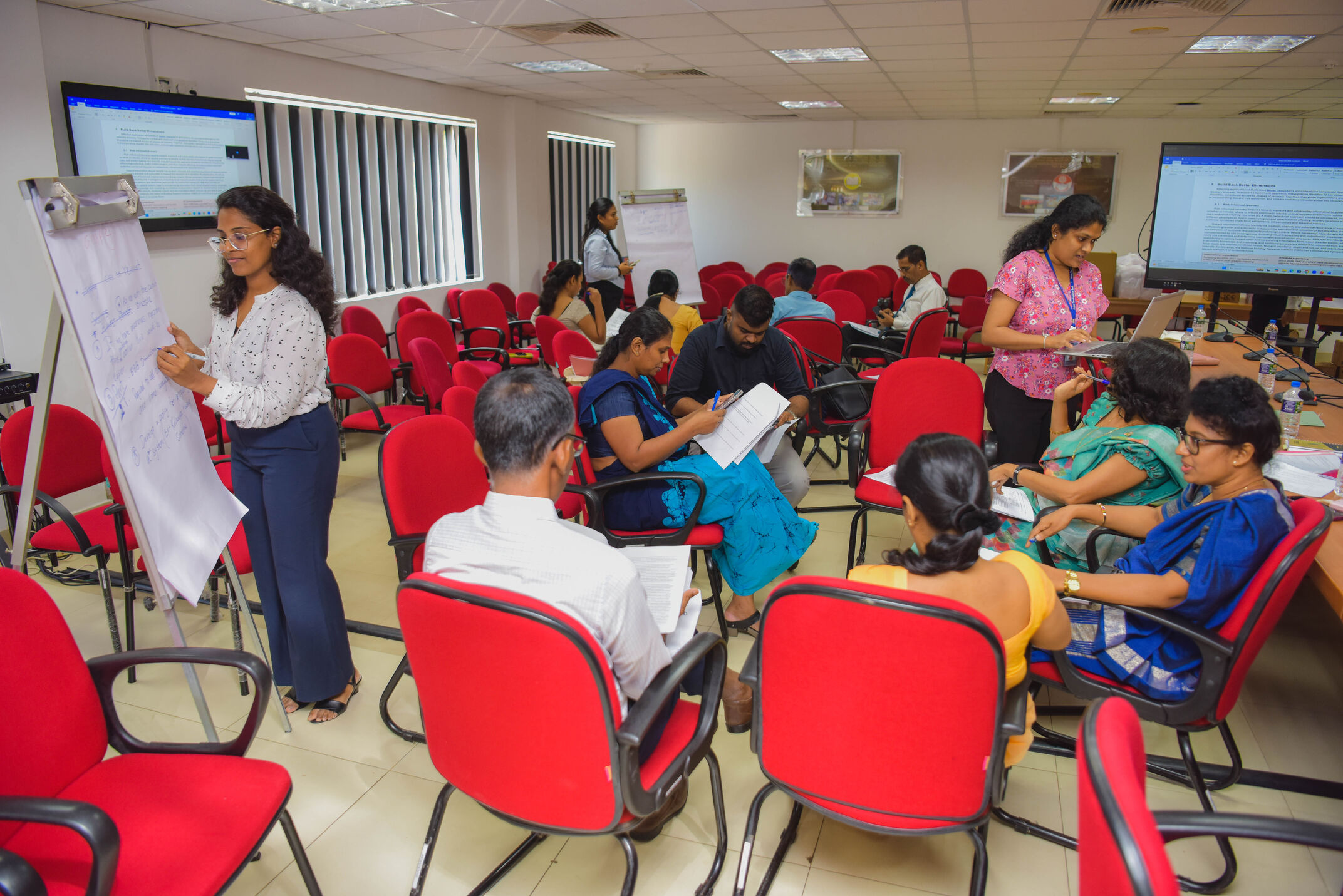
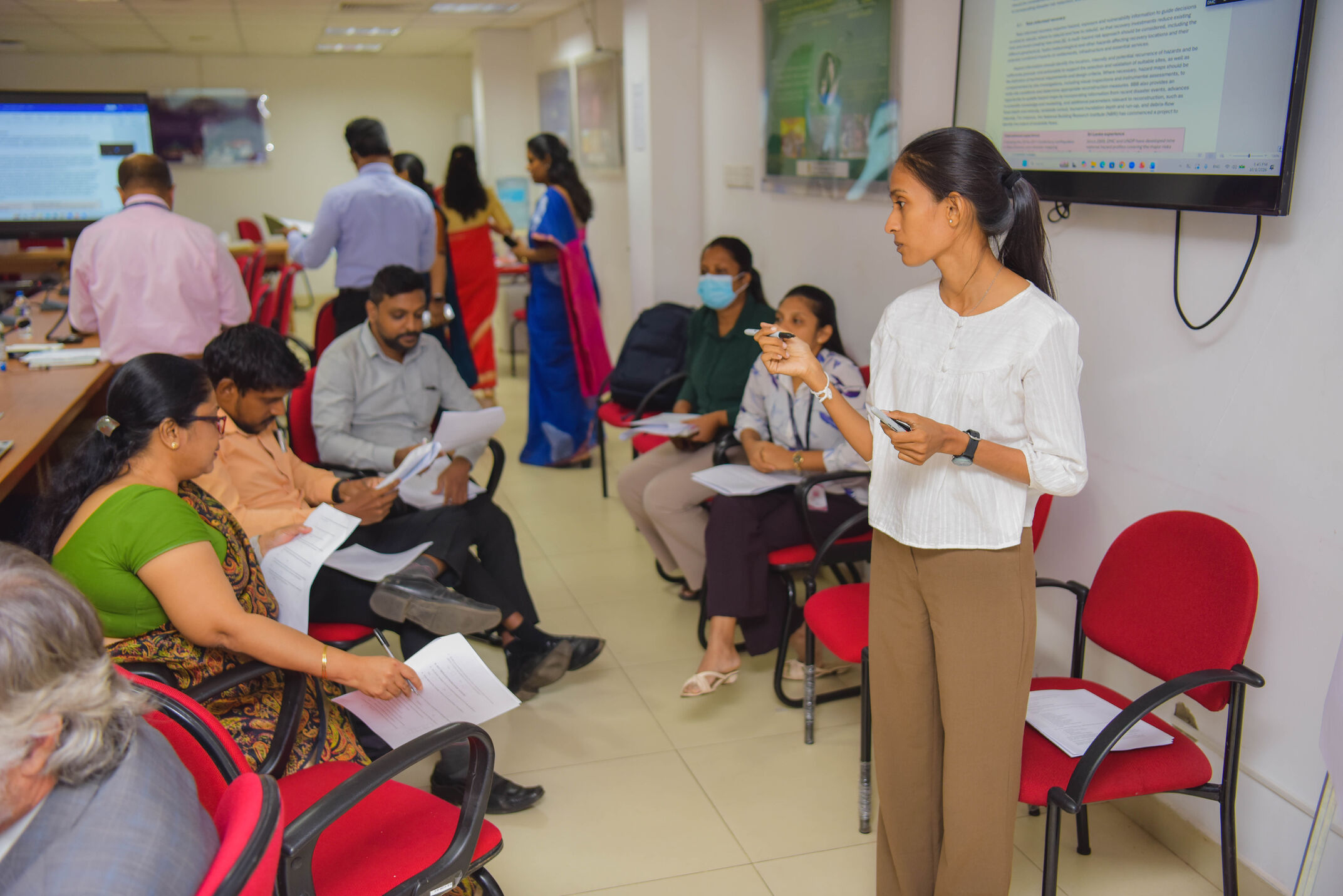
During the workshop, participants evaluated the content of the guideline in breakout groups and presented their suggestions regarding its practical application, relevance, and areas for improvement. These inputs will be utilized to refine and formulate the final version of the guideline.
The workshop was organized by the Disaster Management Centre (DMC), with support from international partner organizations, including the Asian Development Bank (ADB), United Nations Development Programme (UNDP), United Nations Office for Disaster Risk Reduction (UNDRR), and the International Recovery Platform (IRP).
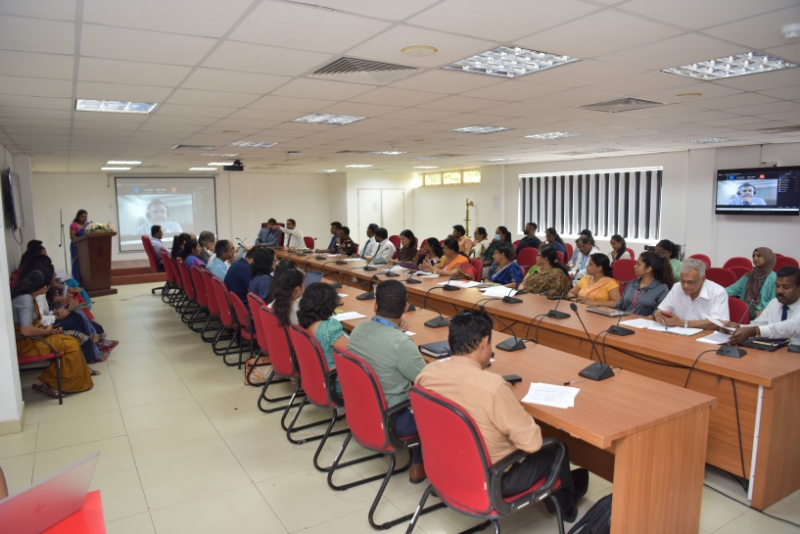
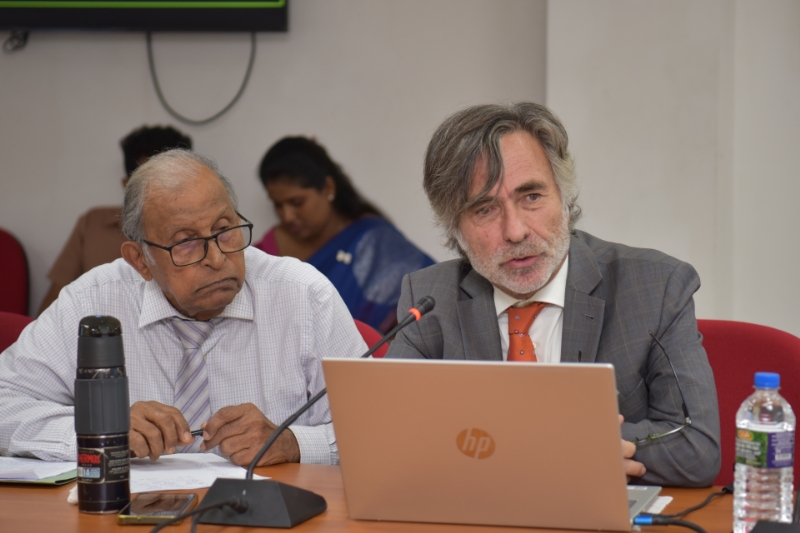
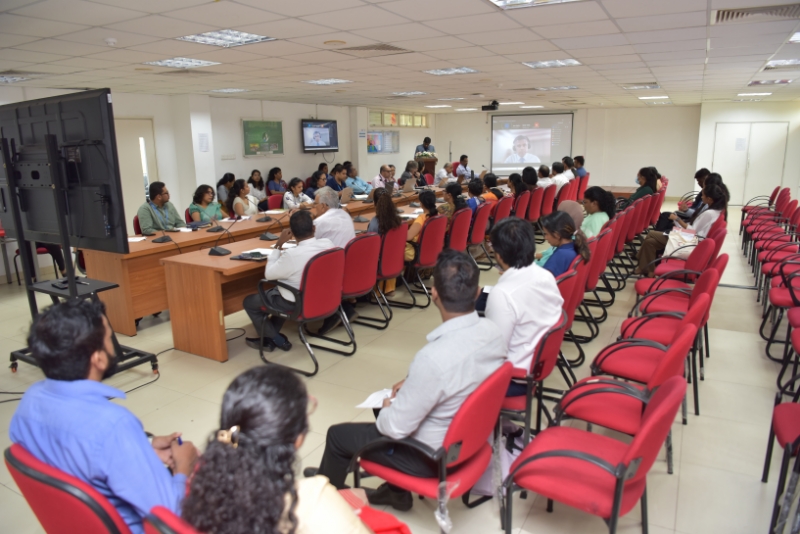
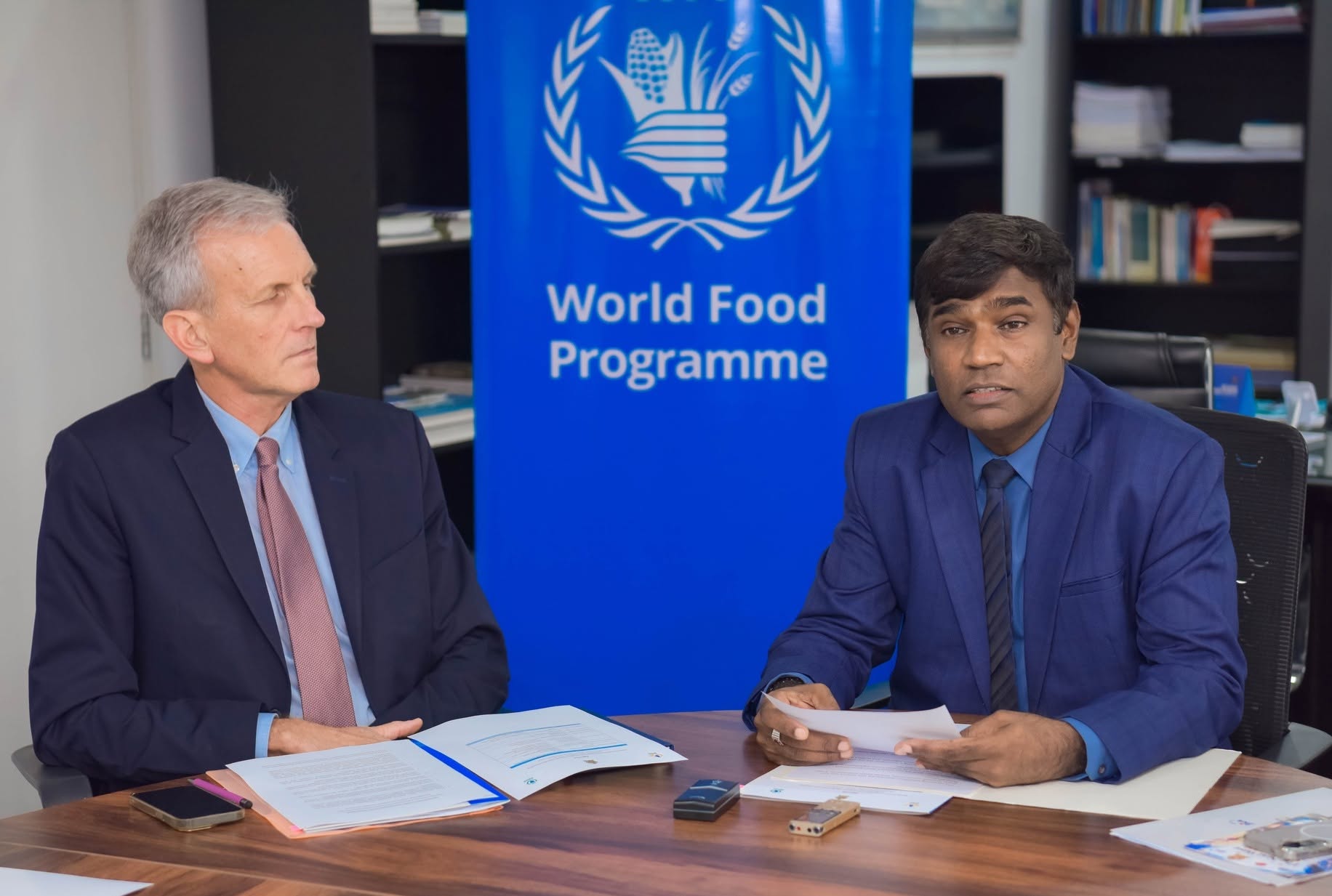 The Memorandum of Understanding (MoU) to operationalize the Standard Operating Procedure (SoP) for the Activation of Anticipatory Action for Floods in the Downstream Gal Oya River Basin in the Ampara District was officially signed with the participation of key government institutions and the United Nations World Food Programme (WFP).
This historic agreement was officially signed by Major General (Retd.) Sampath Kotuwegoda, Director General of the Disaster Management Centre (DMC); Mr. Philip Ward, Country Director and Representative of the WFP in Sri Lanka; Mr. Ajith Wijemanna, Director General of the Department of Meteorology; Mr. Rajalingam Rushandan, Director General of the Partnership Secretariat for WFP Cooperation (PSWFPC); Mr. S. Jegarajan, Additional District Secretary of the Ampara District; Mr. L.S. Sooriyabandara, Director of the Irrigation Department; and Mr. Prageeth Danansuriya, Senior Assistant Secretary of the National Disaster Relief Services Centre (NDRSC).
This milestone establishes a formalized, coordinated approach to anticipatory action, enabling government institutions and partners to work together to provide timely assistance to at-risk communities before flood impacts occur. The SoP outlines clear roles and responsibilities among all stakeholders, supported by forecast-based triggers generated through the collaboration of the Department of Meteorology and the Irrigation Department. Through this mechanism, vulnerable households can receive early assistance from the WFP, helping to safeguard lives, protect livelihoods, and reduce the impacts of flooding.
Australian Bureau of Meteorology Delegation Meets Director General of the Disaster Management Centre
 A delegation comprising Ms. Nicole Pana, International Development Project Manager of the Australian Bureau of Meteorology (BoM), and Ms. Laura Nicholson, Second Secretary (Development Cooperation) at the Australian High Commission in Colombo, met with the Director General of the Disaster Management Centre (DMC), Major General (Retd.) Sampath Kotuwegoda, for a special discussion today (09/08) at the Disaster Management Centre.
The discussion was held with the objective of further strengthening the existing cooperation between the Disaster Management Centre and the Australian High Commission. During the meeting, attention was focused on disaster preparedness in Sri Lanka, disaster risk reduction, and the programmes and measures implemented by the Disaster Management Centre in the field of disaster management.
In particular, the participants exchanged views and experiences regarding the measures implemented by the Disaster Management Centre following Cyclone Ditwah last year, with special emphasis on public awareness, early warnings and information dissemination, emergency operations, and the disaster response process.
The discussion also focused on further improving preparedness for future disasters, reducing disaster risks, and strengthening technical and institutional cooperation in the field of disaster management.
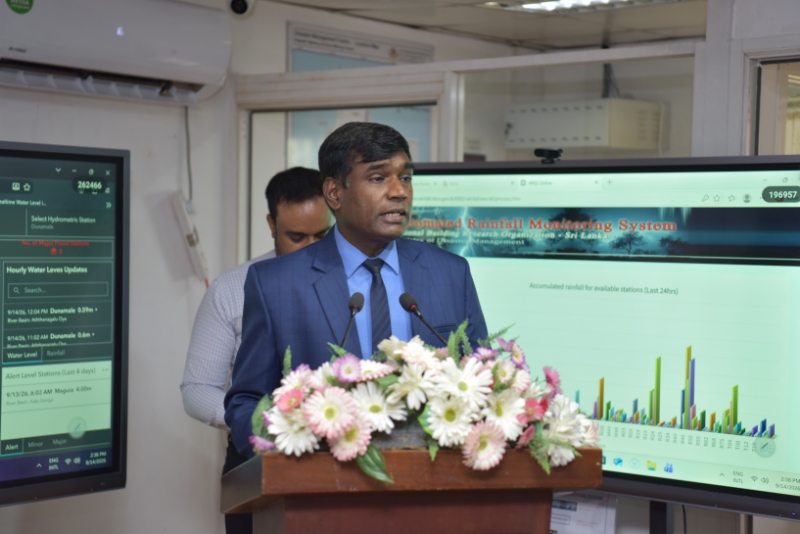
The Disaster Management Centre (DMC) hosted the inaugural meeting of the National Tsunami Ready Board (NTRB) on 14th September 2026, marking a key milestone in strengthening Sri Lanka’s coastal hazard preparedness. Chaired by the Secretary to the Ministry of Defence, Air Vice Marshal Sampath Thuyacontha (Retd), the board formally convened to establish the national framework for the UNESCO-IOC Tsunami Ready Recognition Programme (TRRP).
The session was declared open by the Director General of the Disaster Management Centre (DMC) and Secretary/Convener of the NTRB, Major General Sampath Kotuwegoda (Retd), who highlighted Sri Lanka’s tsunami risk profile and the strategic importance of embedding structured, community based early warning systems along vulnerable coastlines.
During the session, the board achieved several key operational milestones, including the formal adoption of the Terms of Reference (ToR) governing the NTRB to establish inter-agency oversight across defence, meteorological, marine institutions and academia, through the current fifteen member multi stakeholder composition and expanding the same to the tourism sector as well as media. Furthermore, the approval of operational guidelines for Tsunami Ready Local Committees (TRLCs) at Divisional and Grama Niladhari levels ensured sustained local ownership, with the UNESCO-IOC Tsunami Ready Recognition Programme aligning directly with Sri Lanka’s National Disaster Management Plan (2023–2030).
 නිරිත දිග මෝසම් තත්ත්වය සක්රීය වීම තුළ මේ දිනවල මධ්යම පළාත ඇතුලු දිවයිනේ නිරිතදිග කොටසෙහි පවතින අධික වැසි තත්ත්වය හේතුවෙන් ඇති වී ඇති ආපදා අවදානම් තත්ත්වයන් කළමනාකරණය කරගනිමින් මෙවර (2026) උසස් පෙළ විභාගය පැවැත්වෙන කාල සීමාව තුළ ඇතිවිය හැකි අනපේක්ෂිත කාලගුණික තත්ත්වයන් හේතුවෙන් ඇතිවිය හැකි බාධා මගහරවා ගනිමින් පහවසර ශිෂ්යත්ව විභාගය සහ උසස් පෙළ විභාගය පවත්වා ගෙනයාම සදහා අවධානය යොමුකරමින් ආපදා කළමනාකරණ මධ්යස්ථානය සහ විභාග දෙපාර්තමේන්තුව එක්ව විශේෂ ඒකාබද්ධ වැඩසටහනක් ක්රියාත්මක කිරීමට සැලසුම් කර ඇත.
ආපදා කළමනාකරණ මධ්යස්ථානයේ අධ්යක්ෂ ජනෙරාල් විශ්රාමික මේජර් සම්පත් කොටුවේගොඩ මහතාගේ උපදෙස් මත මෙම විශේෂ ඒකාබද්ධ වැඩසටහන පිළිබඳව ජාතික මට්ටමේ සිට දිස්ත්රික් මට්ටම දක්වා අදාල සියලු අංශ දැනුවත් කිරීම ඊයේ දින (08/05) ආපදා කළමනාකරණ මධ්යස්ථානයේ දී සිදු කරන ලදී.
මෙවර උසස් පෙළ විභාගය කාලසීමාව තුළ විභාගයට පෙනී සිටින දූදරුවන්ට මෙන්ම විභාග රාජකාරි සඳහා සම්බන්ධ වන නිලධාරීන් හට ආපදා හේතුවෙන් මුහුණුදීමට සිදුවිය හැකි බාධා මග හැරගැනීම සදහා හදිසි ප්රතිචාර දැක්වීමේ සම්බන්ධීකරණ යාන්ත්රණය ශක්තිමත් කිරීමටත් සියලු පාර්ශ්වකාර ආයතන විසින් ඉටු කළ යුතු වගකීම් මෙම ඒකාබද්ධ සැලැස්ම තුළින් පෙන්වා දී ඇත.
News & Events
- Workshop to Review the "Build Back Better" Guideline for Post-Disaster Recovery
- Multi-Agency Coalition Signs MoU to Operationalize SoP for Flood Anticipatory Action in the Downstream Gal Oya River Basin
- Inaugural meeting of the National Tsunami Ready Board (NTRB) marks a milestone in Sri Lanka’s coastal disaster resilience
- Australian Bureau of Meteorology Delegation Meets Director General of the Disaster Management Centre
- උසස් පෙළ විභාගයට ආපදා හේතුවෙන් ඇතිවිය හැකි බාධා වළක්වා ගැනීම
அவசர தொடர்புகள்
117+94 112 670 002