


Present Situation



තනතුරු පුරප්පාඩු பதவி வெற்றிடம் Vacancies
තනතුරු පුරප්පාඩු பதவி வெற்றிடம் Vacancies ආපදා කළමනාකරණ මධ්යස්ථානයේ පහත සඳහන් තනතුරුවල පවතින පුරප්පාඩුව පිරවීම සඳහා සුදුසුකම් ලත් ශ්රි ලාංකික පුරවැසියන්ගෙන් අයදුම්පත් කැඳවනු ලැබේ. அனர்த்த முகாமைத்துவ நிலையத்தில் நிலவும் பின்வரும்...

මේ දිනවල පවතින අධික උණුසුම් කාලගුණ තත්වය තවදුරටත්
මේ දිනවල දිවයිනට බලපා ඇති අධික උණුසුම් කාලගුණික තත්ත්වය තවදුරටත් පැවතිය හැකි බව කාලගුණවිද්යා දෙපාර්තමේන්තුව විසින් නිවේදනය කර ඇත.එම දෙපාර්තමේන්තුවට අනුව දිවයිනේ බොහෝ ප්රදේශ වල උණුසුම් දර්ශකය (Heat Index) වැඩි...
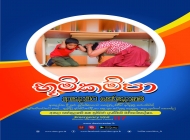
භූ කම්පනයක දී අප කුමක් කරමුද? ඒ පිළිබදව දැනුවත් වන්න
පෙබරවාරි මස දී මොරාගල දිස්ත්රික්කයේ අවස්ථා කීපයක දී භූචලන වාර්තා විය. ඉන් පළමු වැන්න පෙබරවාරි මස 10 වන දින බුත්තලපැලවත්ත සීනි කර්මාන්ත ශාලාව ආසන්න ප්රදේශය වාර්තා වු අතර භූවිද්යා...
Weather Updates
Global Disaster Situation





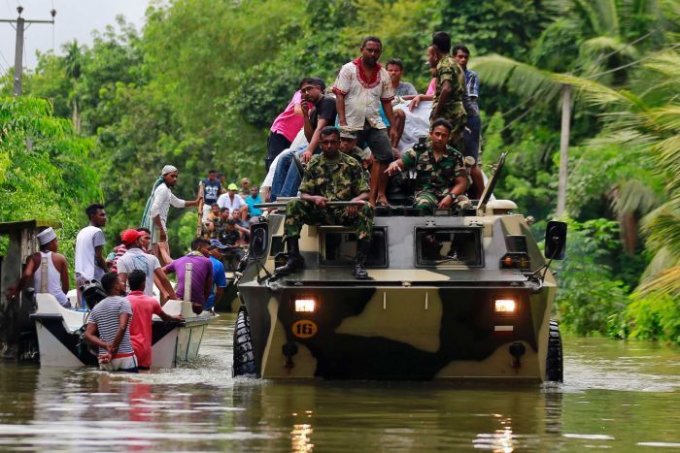
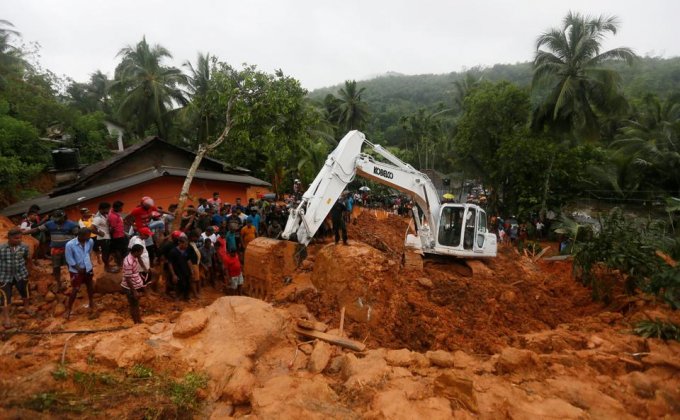
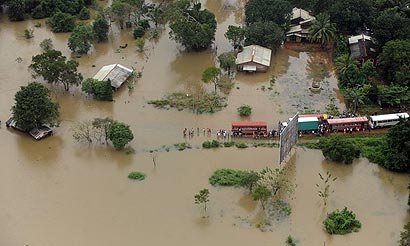
දකුණු බෙංගාල බොක්ක මුහුදු ප්රදේශයේ පවතින අඩු පීඩන තත්වය
දිවයිනට ගිනිකොණ දෙසින් දකුණු බෙංගාල බොක්ක මුහුදු ප්රදේශයේ පවතින අඩු පීඩන තත්වය හේතුවෙන් හම්බන්තොට සිට පොතුවිල් සහ මඩකලපුව හරහා ත්රිකුණාමලය දක්වා මුහුදු ප්රදේශ විටින් විට රළු හෝ ඉතා රළු විය හැකි බැවින් මෙම කලාපයේ ධීවර සහ නාවික කටයුතු වල යෙදීමෙන් වළකින ලෙස කාලගුණවිද්යා දෙපාර්තම්න්තුව අනතුරු අගවා ඇත. එසේම මේ වන විටත් ගැඹුරු මුහුදේ ධීවර කටයුතු සදහා මුහුදු ගොස් සිටින ධීවර ප්රජාව ආරක්ෂිත ප්රදේශ කරා යාත්රා කරන ලෙසත් නිවේදනය කර ඇත.
පවතින ආපදා තත්වයයෙන් පීඩාවට පත් ජනතාවගේ අවශ්යතා යොයා බැලේ.
National Level Drawing Competition to improve the knowledge and skills of the students regarding Disaster Risk Management 2020
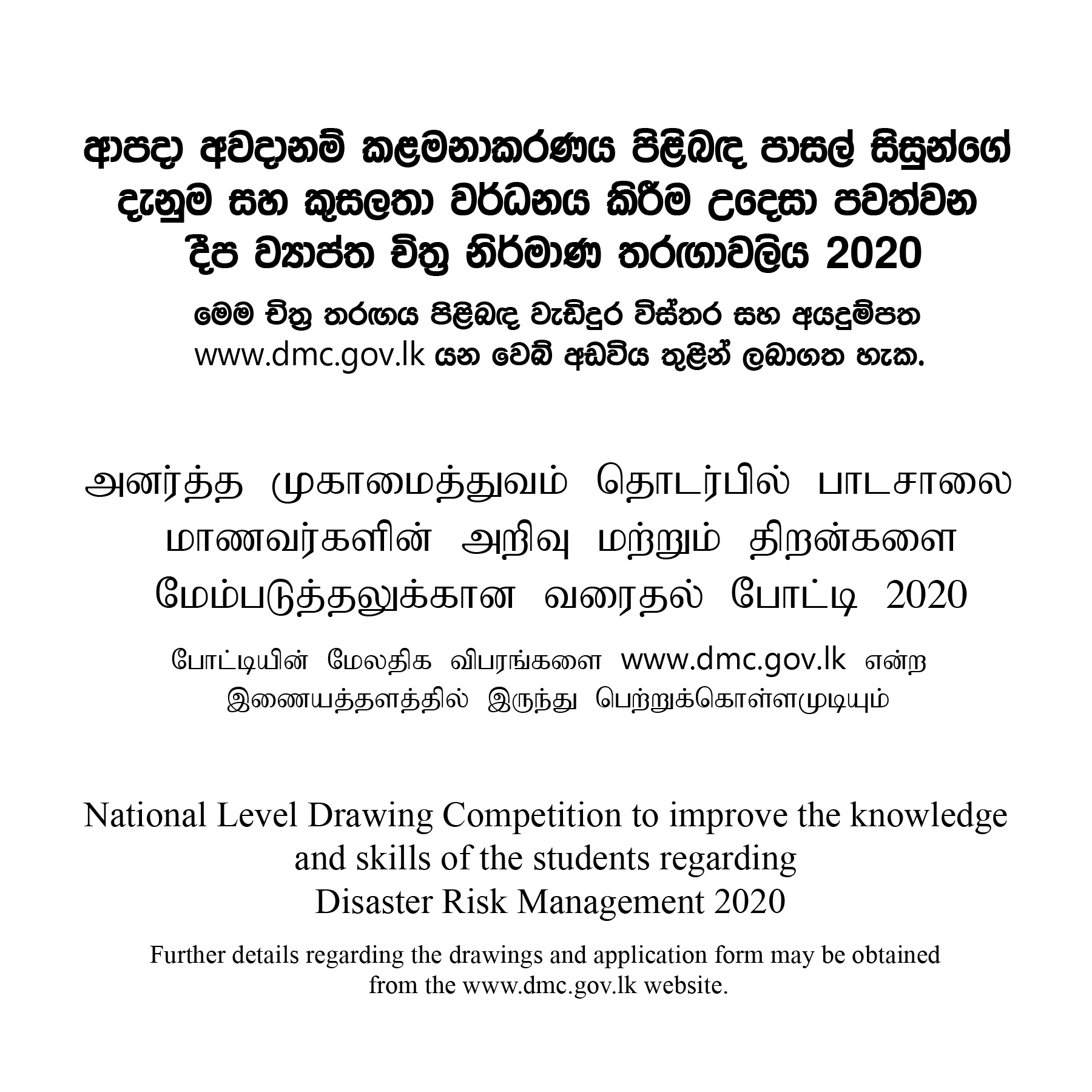 ආපදා අවදානම් කළමනාකරණය පිළිබද පාසල් සිසුන්ගේ දැනුමසහ කුසලතා වර්ධනය කිරීම උදෙසා පවත්වනදීප ව්යාප්තචිත්ර නිර්මාණ තරගාවලිය 2020
அனர்த்த முகாமைத்துவம் தொடர்பில் பாடசாலை மாணவர்களின் அறிவூ மற்றும் திறன்களை மேம்படுத்தலுக்கான வரைதல் போட்டி 2020
National Level Drawing Competition to improve the knowledge and skills of the students regarding Disaster Risk Management 2020
මෙම චිත්ර තරඟය පිළිබඳ වැඩිදුර විස්තර සහ අයදුම්පත
வரைதல் போட்டி போட்டியின் மேலதிக விபரங்களை
Further details regarding the drawings and application
දකුණු බෙංගාල බොක්ක මුහුදු ප්රදේශයේ පවතින අඩු පීඩන තත්වය
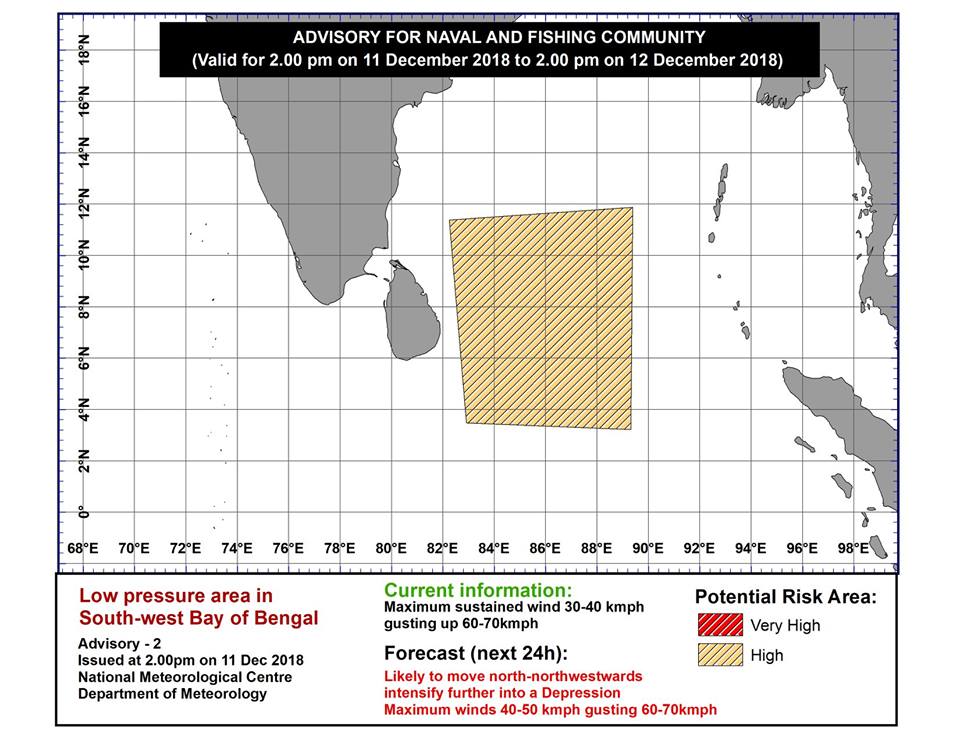
දිවයිනට ගිනිකොණ දෙසින් දකුණු බෙංගාල බොක්ක මුහුදු ප්රදේශයේ පවතින අඩු පීඩන තත්වය හේතුවෙන් හම්බන්තොට සිට පොතුවිල් සහ මඩකලපුව හරහා ත්රිකුණාමලය දක්වා මුහුදු ප්රදේශ විටින් විට රළු හෝ ඉතා රළු විය හැකි බැවින් මෙම කලාපයේ ධීවර සහ නාවික කටයුතු වල යෙදීමෙන් වළකින ලෙස කාලගුණවිද්යා දෙපාර්තම්න්තුව අනතුරු අගවා ඇත. එසේම මේ වන විටත් ගැඹුරු මුහුදේ ධීවර කටයුතු සදහා මුහුදු ගොස් සිටින ධීවර ප්රජාව ආරක්ෂිත ප්රදේශ කරා යාත්රා කරන ලෙසත් නිවේදනය කර ඇත.
දිවයිනට ගිනිකොණ දෙසින් දකුණු බෙංගාල බොක්ක මුහුදු ප්රදේශයේ පවතින අඩු පීඩන තත්වය ඉදිරි පැය 48 ක කාලය තුළ දී පීඩන අවපාතයක් දක්වා තවදුරටත් වර්ධනය වන බවත් එය උතුරු දෙසට ගමන් කරමින් තමිල්නාඩු වෙරළ දෙසට ගමන් කරනු ඇතැයි අනුමාන කරන බවත් කාලගුණවිද්යා දෙපාර්තමේන්තුව නිවේදනය කරයි.
Page 1 of 2
 Department of
 National Building
 Department of
Call Center
117+94 112 670 002